
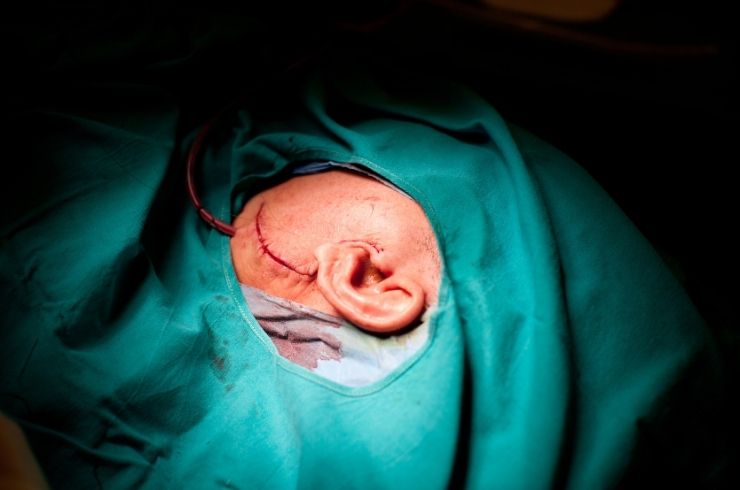
ENT procedures and surgery focus on the treatment of conditions affecting the ears, nose, throat, and related structures that may require specialized intervention. At Sarang, ENT surgical care includes clinical evaluation and treatment planning for concerns such as chronic tonsil infections, enlarged adenoids, nasal obstruction, sinus conditions, and selected ear disorders. Through appropriate examination and investigations, suitable procedural or surgical options are considered based on each patient’s condition, with an emphasis on improving function, addressing symptoms, and supporting recovery.
Tonsillectomy: Surgical removal of the tonsils when recurring infections, enlargement, or other tonsil-related conditions require surgical management.
Adenoidectomy: Removal of enlarged or problematic adenoids when they contribute to nasal obstruction, recurrent infections, or sleep-related breathing difficulties.
Septoplasty: Surgical correction of a deviated nasal septum to address structural nasal obstruction and improve nasal airflow when clinically indicated.
Functional Endoscopic Sinus Surgery (FESS): A minimally invasive procedure used to manage selected chronic sinus conditions by improving sinus drainage and ventilation.
Ear Procedures and Surgery: Evaluation and surgical management of selected ear conditions, based on clinical findings and individual treatment requirements.
Nasal and Throat Procedures: Assessment and treatment of selected nasal and throat conditions that may require specialized procedures or surgical intervention.
Provides treatment options for selected ENT conditions requiring surgery.
Helps address recurring tonsil and adenoid problems.
Supports management of structural nasal obstruction.
May improve sinus drainage in suitable cases.
Helps manage selected conditions affecting ear health.
Addresses persistent symptoms when non-surgical treatment may not be sufficient.
Offers treatment planning based on individual clinical findings.
Supports recovery through appropriate post-procedure care and follow-up.